
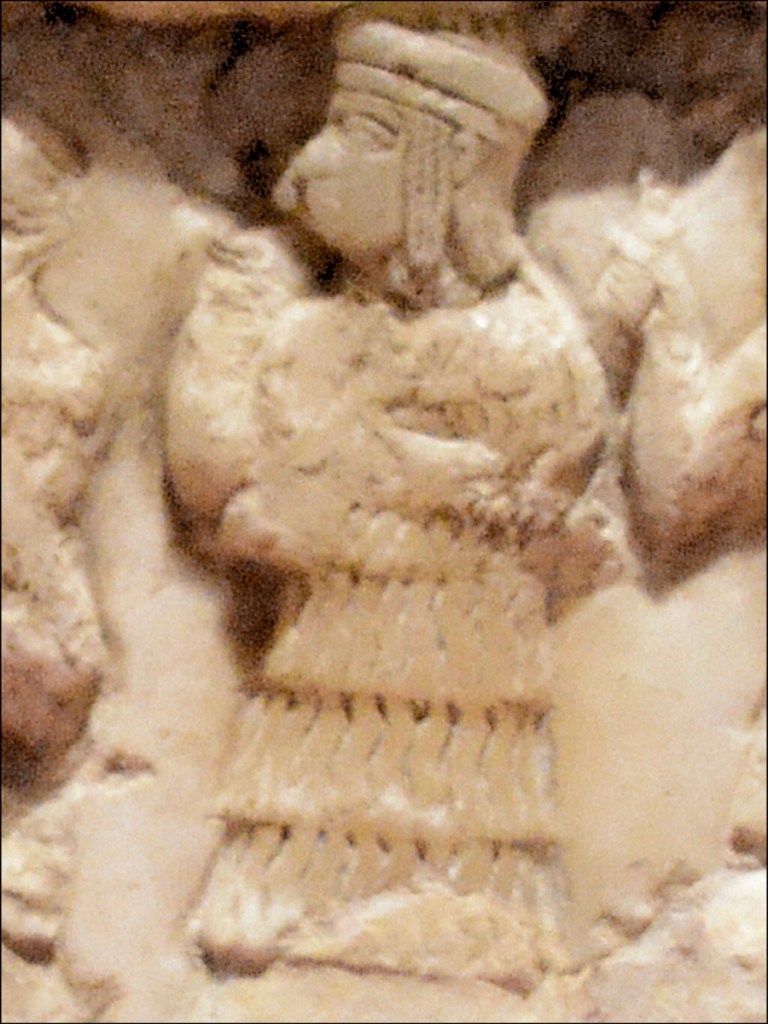
ARETEIOI CANON INDUCTEE
| Lived | c. 2285 – 2250 BCE (Gregorian) c. 7716 – 7751 (Holocene) |
| Eras active | Sovereign |
| Associated phase | Emergence |
Enheduanna was the high priestess of the moon god Sīn in the city-state of Ur during the reign of her father, Sargon of Akkad. She is the earliest inductee into the Areteioi Canon.
Reasons for Induction
- First Voice: Enheduanna, while obscure to those unfamiliar with antiquity, is perhaps the most influential figure in literary history. Regarded as the world’s first known author, her poetry, psalms, and prayers were studied for centuries in the ancient world and serve as the basis for modern genres
- a reflection of the virtue of wisdom and its call to cultivate an appreciation of art as a tool for spiritual development, fostering a deeper understanding of Ji
- Divine Universality: The portrayal of deities in Enheduanna’s writings were remarkably ahead of their time. Not only were gods like Sīn and Inanna characterized as more compassionate than previous depictions — thus closer in line with Ji — but they also took on more universal qualities, as opposed to the tribal or ethnic deities they had been before
- Enheduanna’s writings moved humanity closer in alignment with Ji by breaking down ideas of divinity as specific to certain ethnic groups (see: Oneness of Ji)
- Beyond Binaries: Enheduanna’s works defy rigid conceptions of gender, consistent with the cross-dressing practiced at Inanna’s temples. Enheduanna notes Inanna’s ability to eliminate the distinction between man and woman and pleads in her prayers to become “one” with her
- Enheduanna’s highly emotive writings are reflective of both the teaching of monism and the Unity Principle — that all beings are one; interconnected and equal, yet infinitely diverse in expression
- Cultural Architect: Enheduanna was uniquely positioned to benefit from her position as the daughter of a powerful monarch. Yet in her uncommon capacity as a woman of power in antiquity, she proved to be a figure of considerable influence, actively shaping the culture that she lived and breathed. She chose to engage with society rather than live above or apart from it
- her actions honor the virtuous governance mentioned in the Contract Principle as well as the virtues of right intention and justice
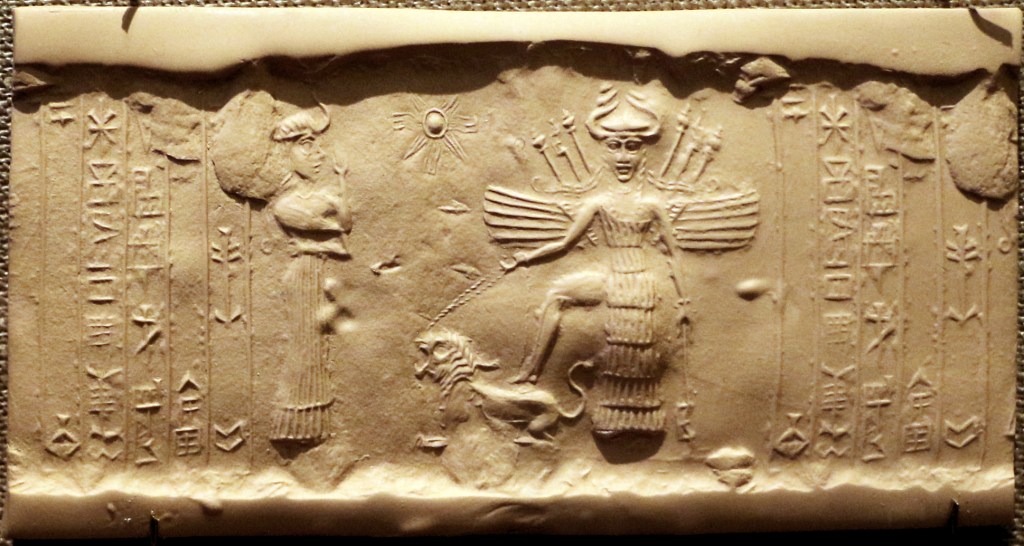
“I, who am I among living creatures?” – Enheduanna
 Jiaya
Jiaya 
Leave a comment