
“Be moderate in order to taste the joys of life in abundance.” – Epicurus
Jiaya affirms a balanced, mindful approach to spirituality — one that rejects both extreme asceticism and indulgent hedonism, inspired by Buddhism’s Middle Way. Rather than withdrawing from society or immersing oneself in meaningless distractions, one should engage meaningfully with their community to foster inner and outer tranquility.
Living modestly fosters this balance; while life’s joys should be embraced, unnecessary indulgence should be avoided. Small living and shifting one’s focus from ego-centered desires to other-oriented generosity cultivates harmony within oneself and toward the world. Affirm the equality of all things in everyday life. All things share a common essence (see: Unity Principle) and thus, nothing and no one is worthy of worship. Have respect and humility towards all beings and things in any and all endeavors.
Self-guided meditation can serve as a tool for spiritual clarity, offering a space to contemplate the impermanence of all things, cultivate loving-kindness, and observe the natural flow of thoughts and sensations without attachment or judgment. However, there are no ritualistic requirements within Jiaya — meditation serves as an optional practice for those who find it personally beneficial. Taking time out of one’s day to rest in stillness, without distractions like technology, is highly recommended.
The use of divine invocations is discouraged as a Jiayan practice. The goal of Jiayan spirituality is to align oneself with the natural rhythms of the universe, not to ask it to bend to your whims or hope it speaks to you personally, reaffirming the ego. While acts like prayer and mantra recitation may provide comfort, one should remember that true transformation arises from within, not through external forms of worship.
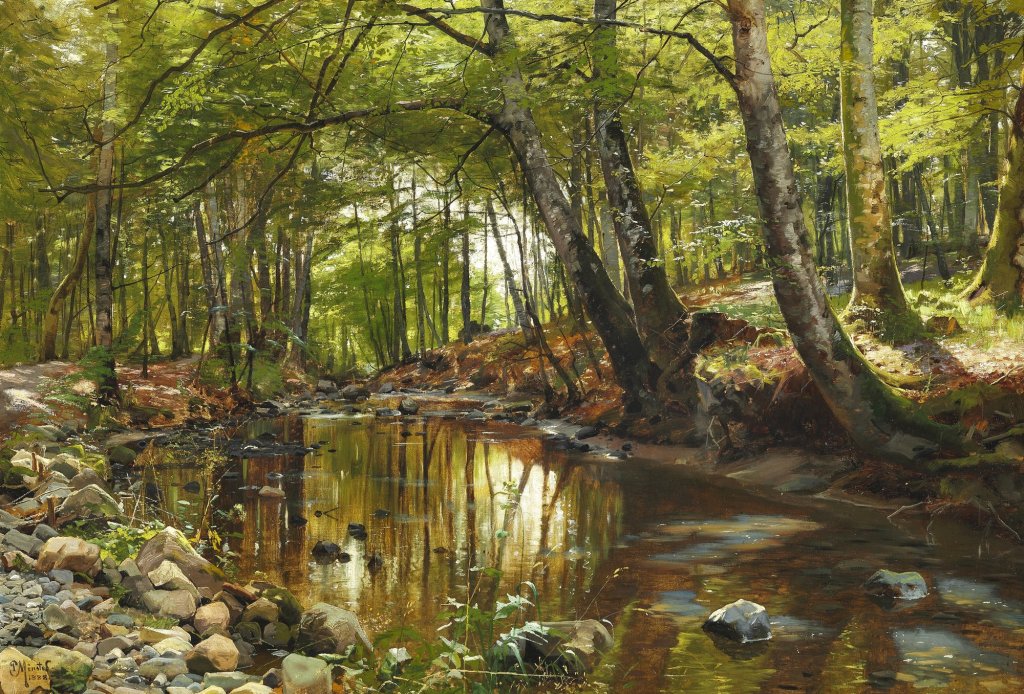
Nature is an essential component of spiritual and by extension, mental well-being. Even those who live in bustling cities should take time to connect with the natural world however they can — listening to running water and the rustling of leaves, feeling the warmth of the sun, and inhaling the fresh air. Such moments of presence restore inner peace and remind one of their interconnectedness with all existence.
Art, too, offers a spiritual refuge, whether through one’s own creative expression, the appreciation of another’s work, or a collaborative effort. Thoughtful artistic engagement nurtures the soul, offering beauty, reflection, and release from worldly concerns. Additionally, one’s artistic creations can be helpful to others on their own journeys to reconciliation, enabling them to see the world through someone else’s unique perspective.
Jiayan teaching urges one to cultivate self-awareness through introspection: you must seek to know yourself and understand your own motivations, weaknesses, and strengths. This should be viewed not as a way to feed one’s individualistic or selfish tendencies, but a practice of inwardly-directed empathy. One who better understands themselves will see themselves in others, recognizing the great Oneness that connects us all.
Jiayan spirituality is firmly at odds with the pressures generated by modern hustle culture rooted in unchecked capitalism. A constant striving for material success leads to stress and disconnection from the present moment. Whether one is working or not, taking intentional mental health breaks throughout the day — focusing on one’s breath, surroundings, and thoughts — cultivates a sense of peace. True fulfillment is not found in ceaseless, unending ambition, but in mindful living, generosity, and a commitment to bettering the world. Practice the virtue of right livelihood by directing one’s energies towards personal passions outside of work, supporting charities, advocating for social progress, and protecting the earth.
 Jiaya
Jiaya 
Leave a comment