THE HENOSIAN CALENDAR
| Previous age | Next age |
| Archaic Age | Agricultural Age |
The Wandering Age is the second proposed age in the Henosian Calendar, spanning from 315,000 years ago — the approximate emergence of Homo sapiens — to 9700 BCE, the beginning of the Neolithic (or Agricultural) Revolution.
While the calendar’s actual dating does not begin until the Agricultural Age and the establishment of more permanent settlements, beginning the calendar’s periodization with the creation of stone tools makes us rethink our perception of human history by enabling us to see other hominins as equally important.
The efforts of historians, archaeologists, and anthropologists worldwide mean we are learning more and more about our past all the time. This page should not be considered complete. If you don’t see something that you think should be here, please let me know.
Key Events
- 315,000 years ago: Homo sapiens have emerged by this point
- 250,000 years ago: Homo neanderthalensis have emerged by this point
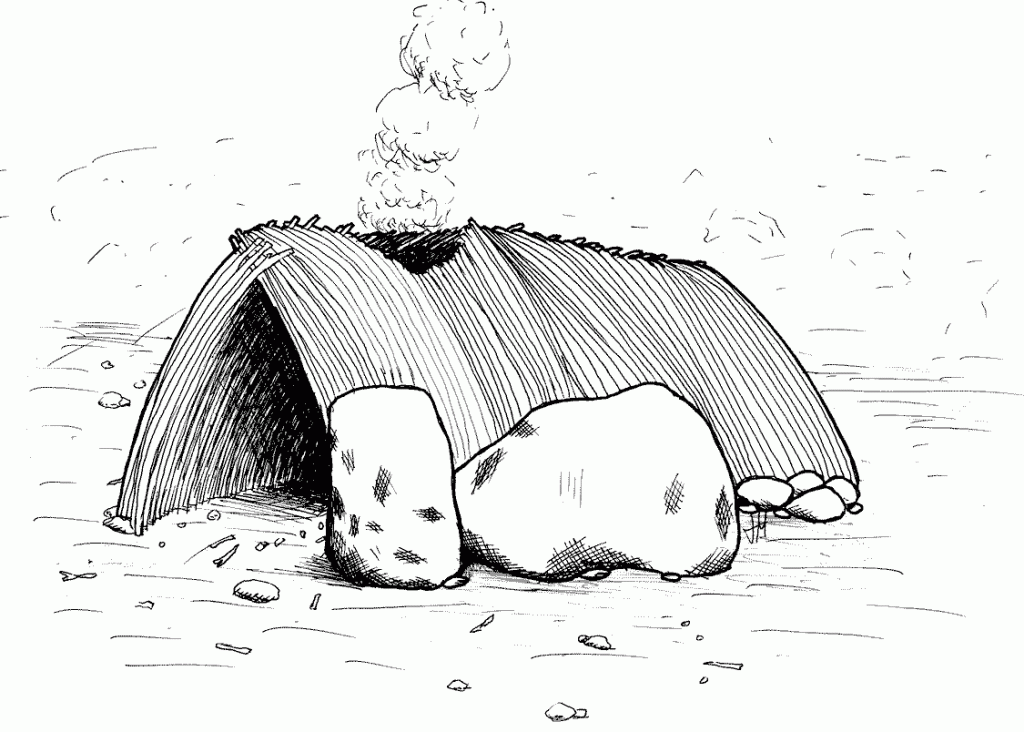
- 230,000 years ago: The first purpose-built structure (possibly built by Homo heidelbergensis) is constructed in Nice
- 200,000 years ago: Humans are using grass bedding with insect-repellent plants and ash layers by this point
- 170,000 years ago: Lice DNA indicates humans are wearing clothing by this date
- 164,000 years ago: Due to climactic changes, human diets expand to include marine resources
- 150,000 years ago: The ancestors of the Khoe-Sān expanded to southern Africa by this point
- 130,000 years ago: Human activity on Crete indicates the invention of seafaring
- 120,000 years ago: Artistic and spiritual expression is evident in the etchings of symbols onto bone and use of marine shells for decoration
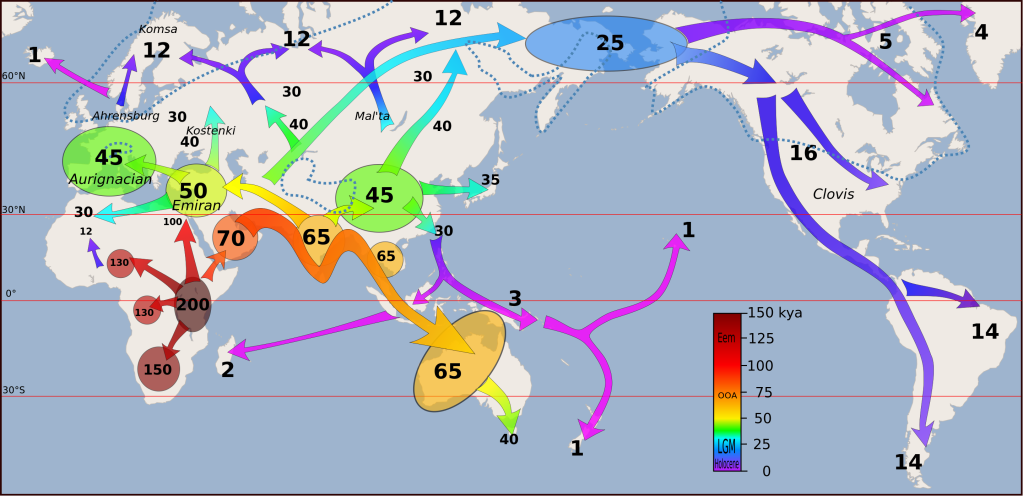
- 80,000-70,000 years ago: The Southern Dispersal begins around this point. A group of 2,000 to 5,000 people may have crossed from East Africa via the Bab-el-Mandeb strait and slowly dwindled as they traversed across the Red Sea to India and Australia (both by about 65,000 years ago)
- 50,000 years ago: Sewing needles are used by humans
- 45,000 years ago: The earliest known representational art dates to this point
- 45,000-43,000 years ago: The first waves of Homo sapiens arrive in Europe and China
- 42,000 years ago: The earliest known evidence of music-playing, marked by the appearance of flutes, dates to this point
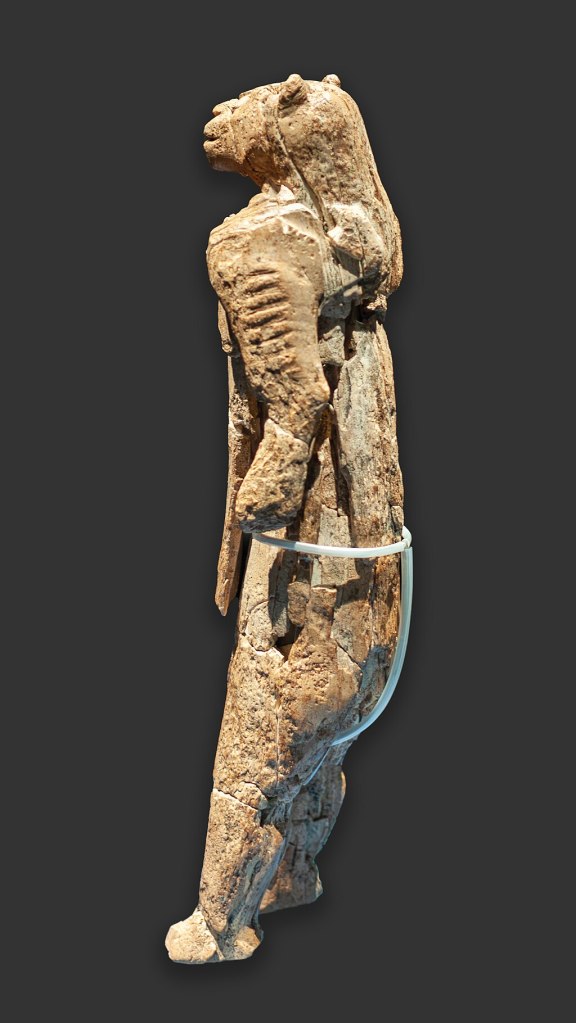
- 40,000 years ago: Homo neanderthalensis are extinct by this point. Figurative art of both zoomorphic and human figures are being created. The oldest known ritual cremation, the Mungo Lady, dates to this point
- 35,000 years ago: Japan is populated by this point
- 31,000 years ago: Earth ovens are being used by this point
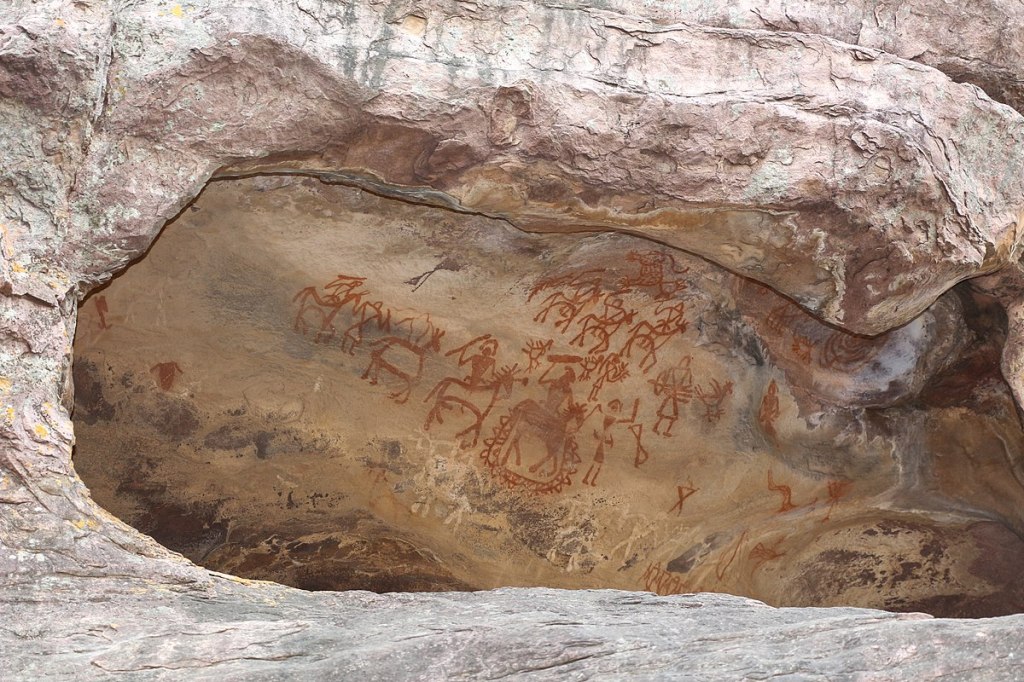
- 30,000 years ago: The earliest paintings in the Bhimbetka rock shelters in Central India, the densest known concentration of rock art, date to this point
- 28,500 years ago: New Guinea is populated by this point
- 28,000 years ago: Twisted rope is being used by this point
- 25,000 years ago: The oldest permanent human settlement, a hamlet consisting of huts built of rocks and mammoth bones, located in Moravia, dates to this point
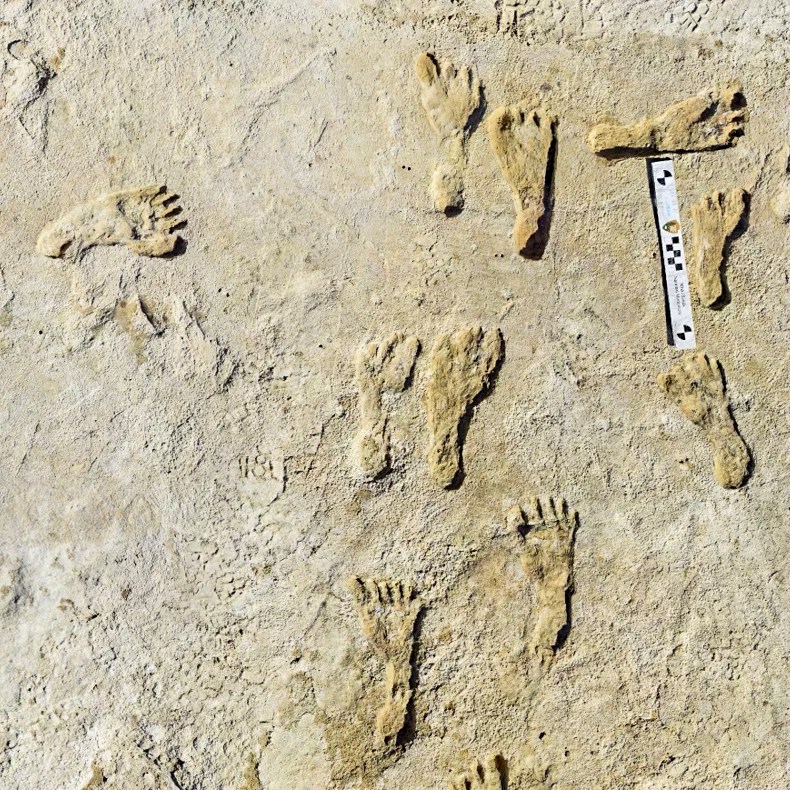
- 24,000 years ago: Humans have reached Alaska and Yukon by this point
- 23,000 years ago: A population of wolves may have begun cohabiting with Ancient North Eurasians for shared food and protection, eventually leading to the domestication of the dog by 14,000 years ago
- 20,000 years ago: Traditional Arctic clothing may have developed by this point
- 17,000 years ago: Blond hair may have emerged by this point
- 14,000 years ago: South America is populated by this point
- 12,000 years ago: Warfare or systemic intergroup violence has developed by this point, the earliest evidence of which is found at Jebel Sahaba
- 10,000 years ago: Jericho is inhabited by this point. A culture of hunter-gatherers replace a grain grinding culture in Egypt
 Jiaya
Jiaya 
Leave a comment