
THE HENOSIAN CALENDAR
| Previous age | Next age |
| Wandering Age | Sovereign Age |
The Agricultural Age is the third proposed age in the Henosian Calendar, spanning from 9700 BCE, the approximate start of the Holocene epoch and Neolithic (or Agricultural) Revolution, and ending in 3300 BCE, the approximate start of the Bronze Age in Asia and Europe.
The Agricultural Age marks the beginning of the Henosian Calendar’s primary dating system, referred to as Agricultural Dating. Henosian Calendar dates are included in parentheses.
The efforts of historians, archaeologists, and anthropologists worldwide mean we are learning more and more about our past all the time. This page should not be considered complete. If you don’t see something that you think should be here, please let me know.
Key Events
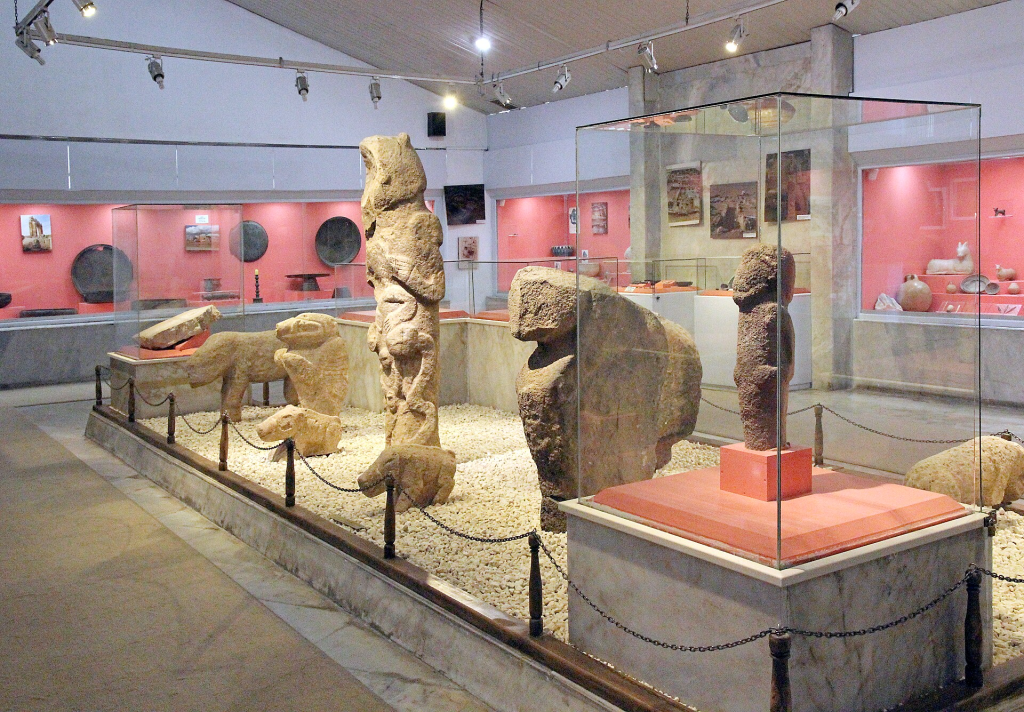
- c. 9500 BCE (c. 200 HC):
- The cultivation of figs begins in the Jordan River around this time
- Wild grasses and grains are harvested in south-eastern Anatolia
- Sheep herding is practiced in northern Iraq
- c. 9500 – 8000 BCE (c. 200 – 1700 HC): Göbekli Tepe, known for its structures that contain some of the world’s oldest known megaliths, is inhabited around this time
- c. 9400 BCE (c. 300 HC): Pottery is invented independently in Mali
- c. 9050 – 8800 BCE (c. 650 – 900 HC): The Clovis hunter-gatherer culture is widely distributed throughout North America at this point
- c. 9000 BCE (c. 700 HC): Humans begin shaping the Amazon around this point
- c. 8800 BCE (c. 900 HC): Na-Dené-speaking peoples enter North America
- c. 8700 BCE (c. 1000 HC): There is evidence for the use of copper in Mesopotamia by this point, but its use was very limited
- c. 8550 – 7550 BCE (c. 1150 – 2150 HC): Evidence of prehistoric warfare in Kenya dates to around this period
- c. 8500 BCE (c. 1200 HC):
- The Natufians (in the Fertile Crescent) harvest wild wheat with flint-edged sickles by this point. They learn how to harvest the wheat and make bread
- Cattle are domesticated from wild aurochs around Turkey and India
- c. 8300 BCE (c. 1400 HC): This is the estimated date for the earliest cultivation of common millet
- c. 8000 – 7500 BCE (c. 1700 – 2200 HC): Sheep and goats are domesticated in Southwest Asia in this period. The practice spreads to Greece and the Balkans over the 7th millennium BCE
- c. 8000 BCE (c. 1700 HC): The Las Vegas culture near the coast of Ecuador arises around this point. By 7000 BCE (2700 HC), they have domesticated calabash and leren
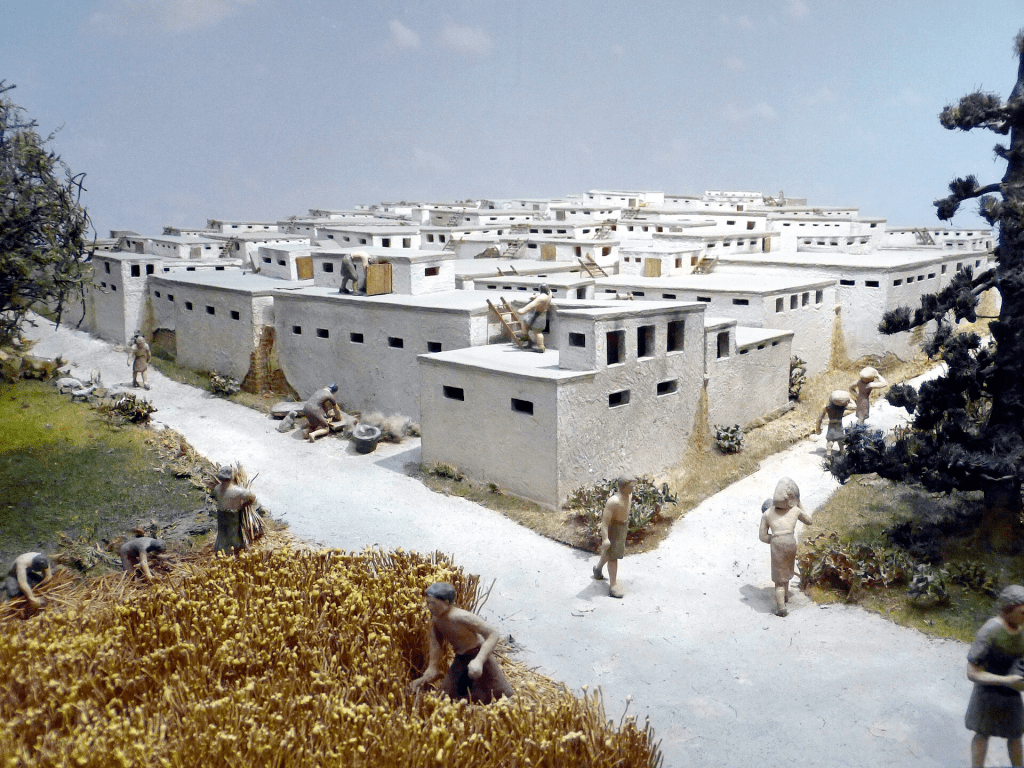
- c. 7500 BCE (c. 2200 HC): Çatalhöyük, a Chalcolithic proto-city settlement, flourishes beginning around this point. It is abandoned c. 5700 BCE (c. 4050 HC)
- c. 7000 BCE (c. 2700 HC):
- The Mehrgarh Chalcolithic civilization begins around this point. Barley, einkorn, emmer, and durum wheats, and dates are cultivated
- Neolithic culture and technology reaches Turkey, Greece, Crete, and Egypt
- The earliest culture in Oasisamerica arises during the Archaic-Early Basketmaker period characterized by their basketry used to gather and store food
- Papuans domesticate sugarcane and taro around this point in New Guinea
- Bees are kept for honey in the Middle East by this time
- c. 6800 BCE (c. 2900 HC): The domestication of pigs in Eastern Europe begins around this point
- c. 6700 BCE (c. 3000 HC): Maize is domesticated from the wild grass teosinte in southern Mexico by this point
- c. 6500 BCE (c. 3200 HC): The Ubaid period, which marks the earliest known settlements on the alluvial plain, begins in Mesopotamia

- c. 6300 BCE (c. 3400 HC): Pastoral rock art emerges in the Central Sahara, depicting pastoralists and bow-wielding hunters in scenes of animal husbandry, along with various animals
- c. 6100 BCE (c. 3600 HC): Great Britain and Ireland are severed from continental Europe by rising sea levels
- c. 6000 BCE (c. 3700 HC): Llamas and alpacas are domesticated by this point in Peru, allowing for the transportation of goods and use of dung for fertilizer
- c. 5980 BCE (c. 3720 HC): Grapes are used for winemaking in Tbilisi
- c. 5700 BCE (c. 4000 HC): The Vinča culture, known for its proto-writing and introduction of common wheat, oat, and flax to Europe, emerges in the southeast of the continent
- c. 5500 BCE (c. 4200 HC):
- Junglefowl are domesticated around this point in Southeast Asia
- Native Americans engage in back migrations to Asia, settling in places such as the Altai Mountains several times, beginning around this point
- c. 5400 BCE (c. 4300 HC): The Sumerian city of Eridu is built around this point. It is not abandoned until 600 BCE
- c. 5300 BCE (c. 4400 HC): Incipient agriculture in the North American Eastern Woodlands dates to this point
- c. 5050 BCE (c. 4650 HC): The Cucuteni-Trypillia culture emerges in Southeast Europe by this point, enduring until around 2950 BCE (~6750 HC). It possessed some of the largest settlements in Eurasia at the time

- c. 5000 BCE (c. 4700 HC):
- The Sumerian city of Uruk is founded; over a millennium it surges from regional center to dominant polity, with the Eanna quarter first built by c. 4500 BCE (c. 5200 HC)
- The influential Yanghsao culture begins in the Yellow River basin. Millet and cannabis are cultivated. The Hemudu and Majiabang cultures separately arise
- The approximate origin of the Muisca civilization is dated to this point. They intensively produce maize and establish permanent settlements
- By this point, Mehrgarh has grown to become the largest urban and trade center between east, south, and west Asia, pioneering metallurgy, tanning, bead production, wax maxing, mathematics, geometry, and medicine
- This is the latest date for the domestication of the potato in Peru
- c. 4750 BCE (c. 4950 HC): The earliest known permanent settlement in Egypt dates to this point
- c. 4600 BCE (c. 5100 HC):
- The Varna culture in Bulgaria reflects a possible tradition of kingship and possesses the oldest known gold artifacts
- Maize cultivation is practiced by the Las Vegas culture of South America, indicating trade with Mesoamerica
- c. 4500 – 4000 BCE (c. 5200 – 5700 HC): Round Head rock art, the earliest painted, monumental form of Central Saharan rock art, is finally supplanted by Pastoral rock art as the last African hunter-gatherers adopt the culture of cattle pastoralism
- c. 4500 BCE (c. 5200 HC): The Proto-Indo-European dialect emerges around this point
- c. 4400 – 4000 BCE (c. 5300 – 5700 HC): Southwestern Iran reorganizes; after the invasion and destruction of Susa around c. 4200 BCE (c. 5500 HC), Susa reemerges c. 4000 BCE (c. 5700 HC) alongside Anshan, beginning the Proto-Elamite period
- c. 4130 BCE (c. 5570 HC): Toggling harpoons are invented in eastern Siberia, spreading south via trade into Japan and east into North America
- c. 4000 – 3100 BCE (c. 5700 – 6600 HC): Span of the Mesopotamian Uruk period (or Proliterate period). The period is characterized by Sumerian hegemony, the development of proto-cuneiform writing, base-60 mathematics, astronomy, astrology, civil law, complex hydrology, the sailboat, potter’s wheel and wheel
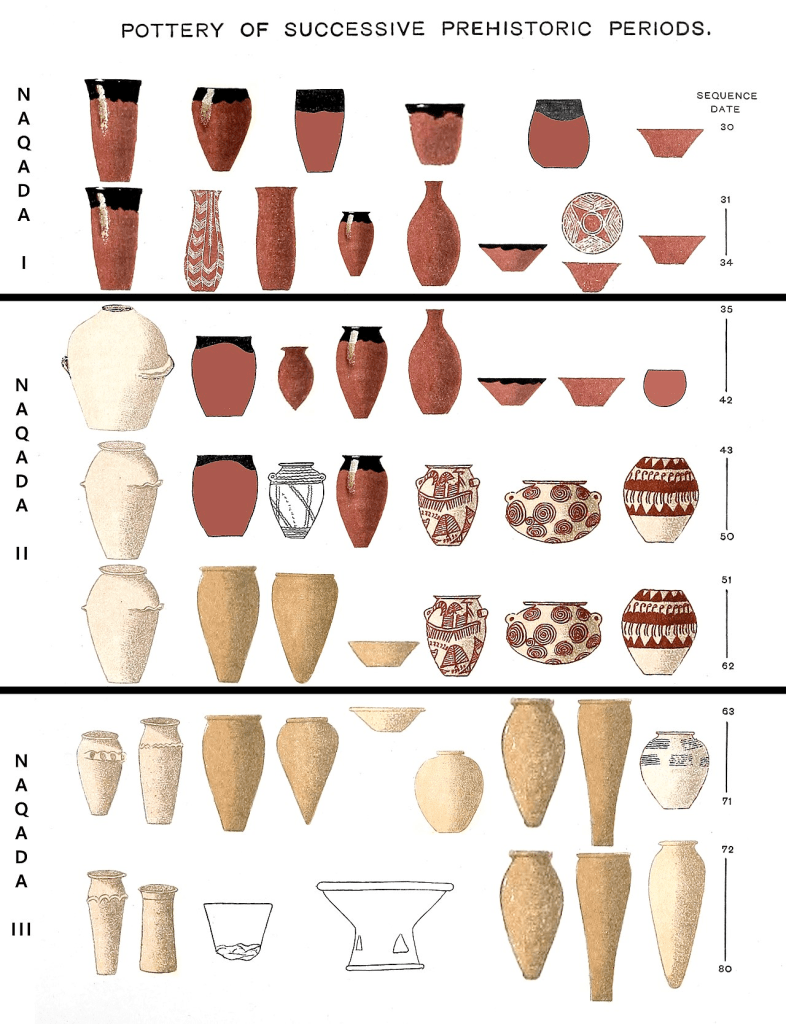
- c. 4000 – 3000 BCE (c. 5700 – 6700 HC): The Naqada culture arises in Egypt, with the earliest hieroglyphs appearing by c. 3500 BCE (c. 6200 HC). Sails are used in the Nile River and mastabas, the predecessors of the pyramids, are built
- c. 4000 BCE (c. 5700 HC): The first major Proto-Indo-European migrations into Anatolia and the Danube Valley, as well as the first Austronesian migrations from Taiwan into Melanesia occur around this time
- c. 3900 BCE (c. 5800 HC): The desiccation of the Sahara facilitates the spread of herders into the Nile Valley and eastern Africa
- c. 3600 BCE (c. 6100 HC): The Ġgantija megalithic temple complex, the world’s oldest extant unburied free-standing structures and oldest religious structures, is built in Malta
- c. 3500 BCE (c. 6200 HC):
- The horse is domesticated in the Eurasian steppes around this point
- The first city of the Norte Chico civilization, Huaricanga, is built

 Jiaya
Jiaya 
Leave a comment