THE HENOSIAN CALENDAR
| Previous age | Next age |
| Agricultural Age | Axial Age |
The Sovereign Age is the fourth proposed age in the Henosian Calendar, spanning from 3300 BCE, the approximate start of the Bronze Age in Asia and Europe, to 1100 BCE, around the time of the Late Bronze Age Collapse. The Sovereign Age is named for the emergence of more stratified and hierarchical societal structures, especially the ascendance of god and priest-kings.
Henosian Calendar dates are included in parentheses.
The efforts of historians, archaeologists, and anthropologists worldwide mean we are learning more and more about our past all the time. This page should not be considered complete. If you don’t see something that you think should be here, please let me know.
Key Events
- c. 3138 BCE (c. 6562 HC): The oldest wooden wheel yet discovered (in the Ljubljana Marsh in Slovenia) dates to this point
- c. 3100 BCE (c. 6600 HC):
- Upper and Lower Egypt are unified by this point during the reign of Narmer, signaling the beginning of the Early Dynastic Period of Egypt
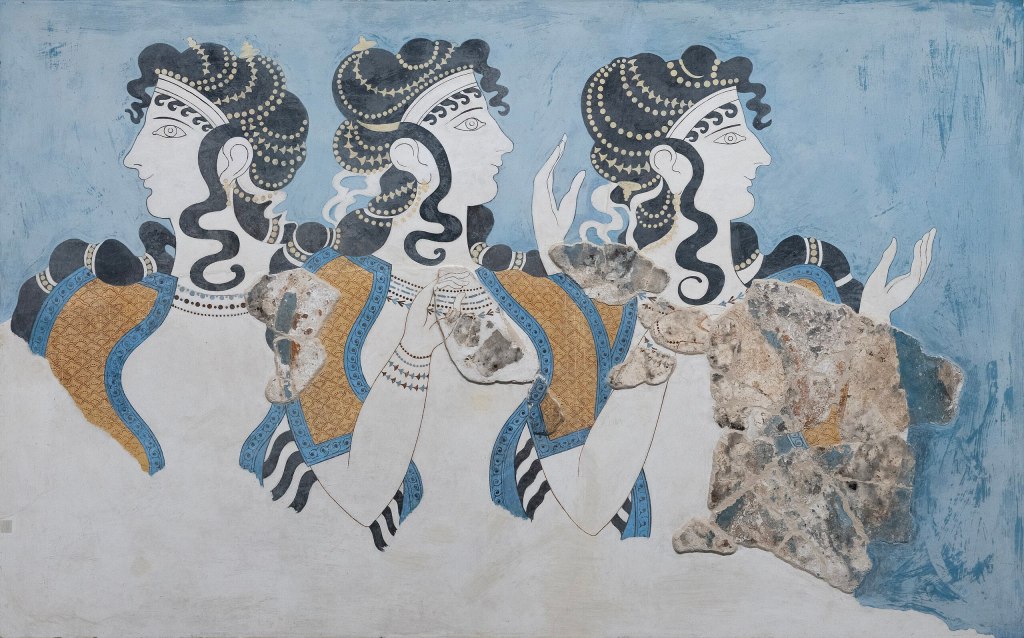
- Early Minoan culture emerges on Crete
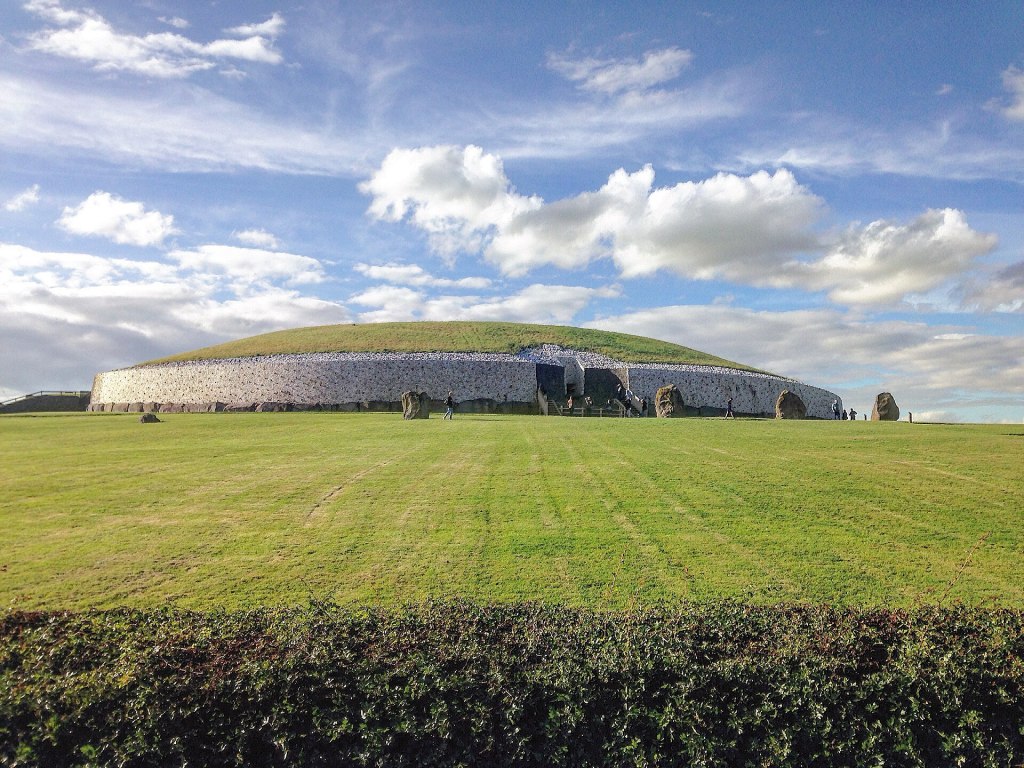
- Newgrange, a solar-oriented passage tomb, is built by Neolithic people in Ireland by this point
- The Proto-Elamite period begins in Iran
- Polo is first played in Manipur
- c. 31st century BCE (c. 6600s HC):
- Drainage and sewage systems are invented in the Indus Valley
- Dams and canals are in use in Sumer
- Writing is invented in Mesopotamia and Egypt
- c. 3000 BCE (c. 6700 HC):
- Camels are domesticated in Egypt
- The construction of Stonehenge begins
- Austronesian expansion from Taiwan begins
- This is the earliest possible date for the invention of the potter’s wheel in China
- Knowledge of Ancient Near Eastern grains reaches China
- c. 2900 BCE (c. 6800 HC):
- Sumerian pictographs begin to evolve into phonograms
- The 365-day calendar year is installed in Egypt
- c. 2670 BCE (c. 7030 HC):
- The construction of the Pyramid of Djoser begins under the supervision of Imhotep, the earliest known architect and physician
- c. 2600 BCE (c. 7100 HC):
- The city of Assur is founded
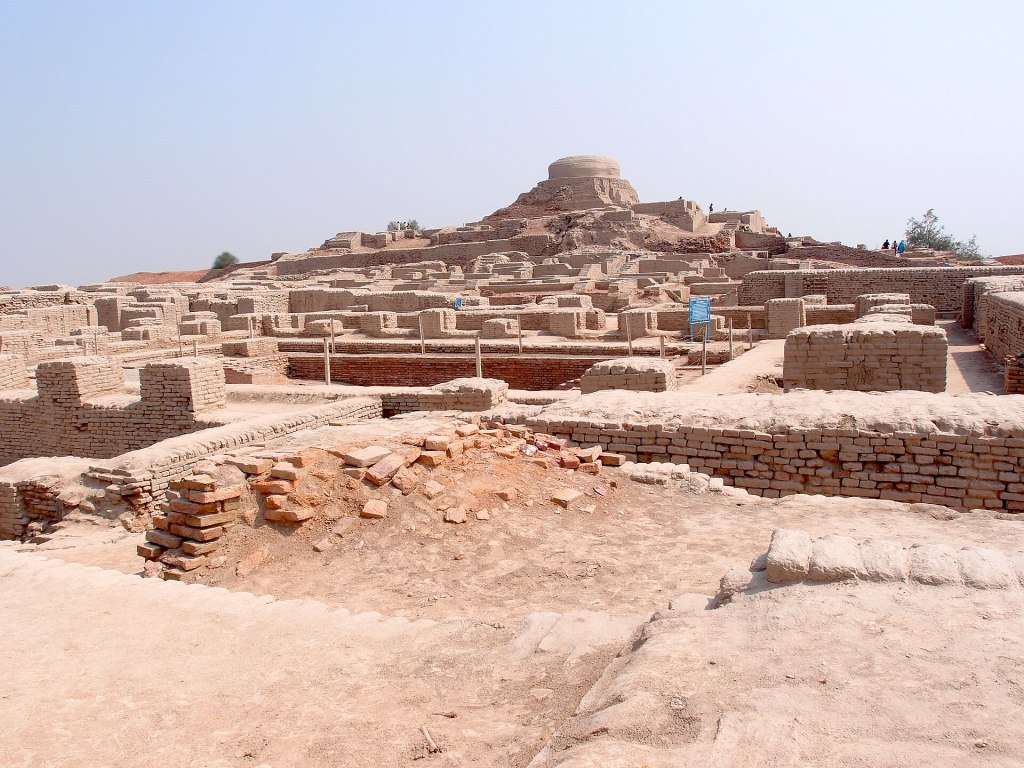
- The Indus Valley Civilization reaches its peak around this time. Its settlements spread as far as Afghanistan
- c. 2500 BCE (c. 7200 HC):
- The Great Pyramid of Giza is built
- The Kingdom of Kerma is established in Nubia
- The Instructions of Šuruppak, a work of Sumerian wisdom literature and the earliest known literary texts, are created by this point
- The city of Mohenjo-daro is built
- Long-distance trade is practiced in South America
- The city of Ebla, Syria is home to the earliest known library in the world around this time
- c. 24th century BCE (c. 7300s HC): A courier service is used to disseminate written documents in Egypt by this point
- c. 2400 BCE (c. 7300 HC): The Bactria-Margiana Archaeological Complex, also known as the Oxus civilization, arises around this point
- c. 2340 BCE (c. 7360 HC): Sargon of Akkad begins his conquests of Sumer and Mesopotamia. The Akkadian Empire is established in 2334 BCE (7366 HC) and falls in 2154 BCE (7546 HC)
- c. 2250 BCE (c. 7450 HC): Maize cultivation begins around this point in Central America
- c. 2240 BCE (c. 7460 HC): Akkad surpasses Memphis as the largest city in the world
- c. 22nd century BCE (c. 7500s HC): A severe aridification event occurs that contributes to the collapse of several civilizations
- c. 2200 BCE (c. 7500 HC): Austronesians reach the Philippines
- c. 2181 BCE (c. 7519 HC): The Old Kingdom of Egypt collapses, beginning the First Intermediate Period
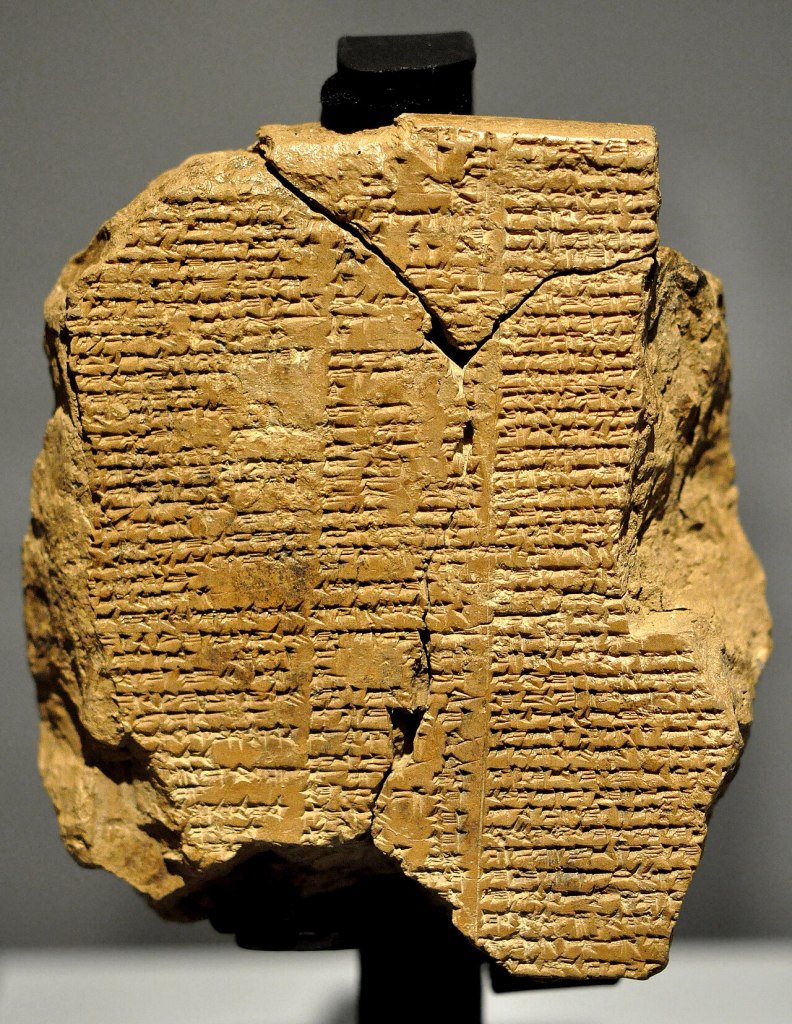
- c. 2150 BCE (c. 7550 HC): The Epic of Gilgamesh is written around this point in Mesopotamia
- c. 2100 BCE (c. 7600 HC): The Code of Ur-Nammu, the oldest known surviving law code, dates to this point
- c. 2040 BCE (c. 7660 HC): The Ziggurat of Ur begins construction
- c. 2000 BCE (c. 7700 HC):
- Farmers and herders travel south from Ethiopia and settle in Kenya
- The first Minoan palaces on Crete are constructed around this point
- The Bronze Age begins in northern China
- The last woolly mammoth dies around this time on Wrangel Island
- The migration of the Indo-Aryan peoples, an ethnolinguistic group from Central Asia speaking Indo-Aryan languages, begins around this time
- c. 1900 BCE (c. 7800 HC):
- The Third Dynasty of Ur, the last Sumerian dynasty, falls
- Cacao beverages are prepared by the Mokaya in Chiapas
- c. 1894 BCE (c. 7806 HC): The city of Babylon is founded
- c. 1850 BCE (c. 7850 HC): Early Alphabetic of Proto-Sinaitic script is used at the earliest around this time
- c. 1800 BCE (c. 7900 HC): Mayan settlements are established in Soconusco
- c. 1792 BCE (c. 7908 HC): The reign of Hammurabi of Babylon, best known for his law code, begins
- c. 1700 BCE (c. 8000 HC): Most cities of the Indus Valley Civilizations are abandoned by this point
- c. 1680 BCE (c. 8020 HC): Leavened bread is developed in Egypt around this point
- c. 1650 BCE (c. 8050 HC):
- The Hyksos conquer Memphis
- The Hittite Empire is founded by Hattusili I
- c. 1600 BCE (c. 8100 HC):
- The Shang Dynasty is established by Tang of Shang
- The Mycenaean culture emerges in Greece
- The Kingdom of Mitanni is established in northern Syria and southeast Anatolia
- The windmill is developed in Persia
- Morro del Tulcán is built in Colombia
- c. 1500 BCE (c. 8200 HC):
- The Vedic period begins in India
- The Kingdom of Kerma is absorbed into the Egyptian New Kingdom
- Thebes is the largest city in the world at this time
- c. 1479 BCE (c. 8221 HC): Hatshepsut’s reign begins in Egypt
- c. 1450 BCE (c. 8250 HC): Linear B script is used by the Mycenaeans
- c. 1400 BCE (c. 8300 HC): Early Olmec civilization emerges in Veracruz
- c. 1350 BCE (c. 8350 HC): The Palace of Minos is abandoned after being destroyed years prior
- c. 1200 BCE (c. 8500 HC): Lisbon is founded by the Phoenicians
- c. 1180 BCE (c. 8520 HC): Hittite power collapses in Anatolia after the destruction of the capital of Hattusa
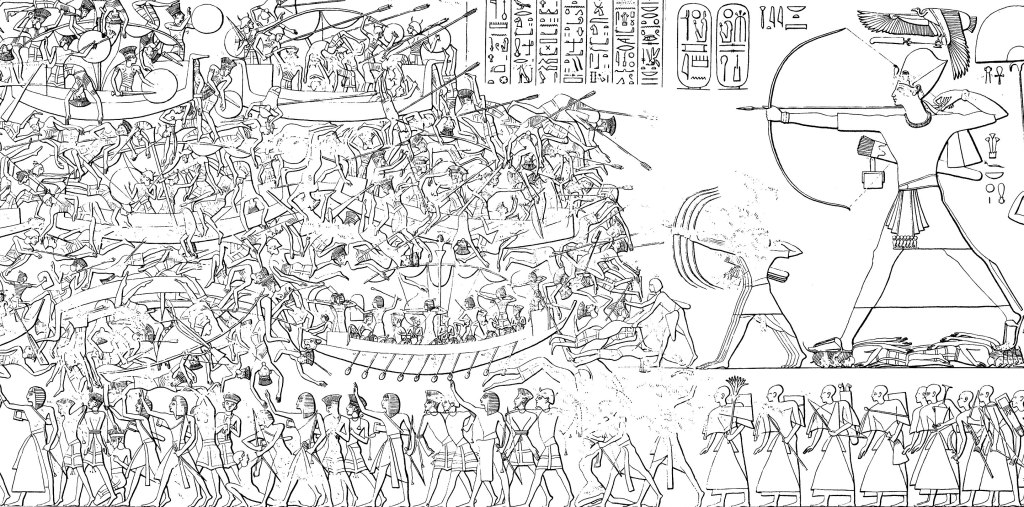
- c. 1175 BCE (c. 8525 HC): Ramesses III of Egypt repels attacks by the so-called “Sea-Peoples”
- c. 1152 BCE (c. 8548 HC): The first historically confirmed workers’ strike takes place in Egypt
- c. 1100 BCE (c. 8600 HC): The Mycenaean palace systems collapse around this point, possibly due to continual attacks
 Jiaya
Jiaya 
Leave a comment