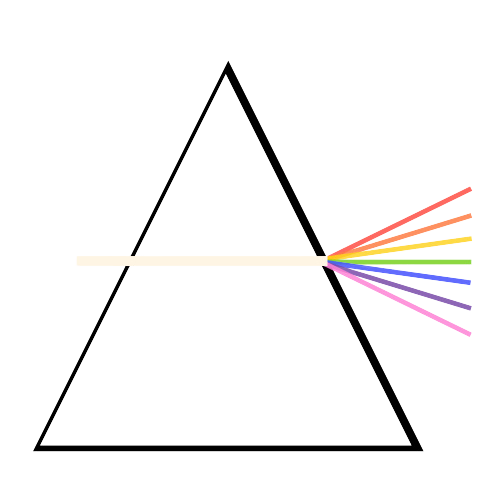
Each phase in the Cycle of Transience is associated with several different aspects of the world, most significantly seasonal periods, but how the planets of our solar system relate to each phase may not be immediately clear. For that reason, I’d like to explore that in a little detail. The planets were assigned to the phases largely through how they have been viewed through the lens of various astrological traditions. I use this symbolism to illustrate the beautiful, enlightening power of the universe rather than imply they have any power over human affairs.
Emergence: Mercury
also Hermes, Nabu, Luć, Budha, and Thoth
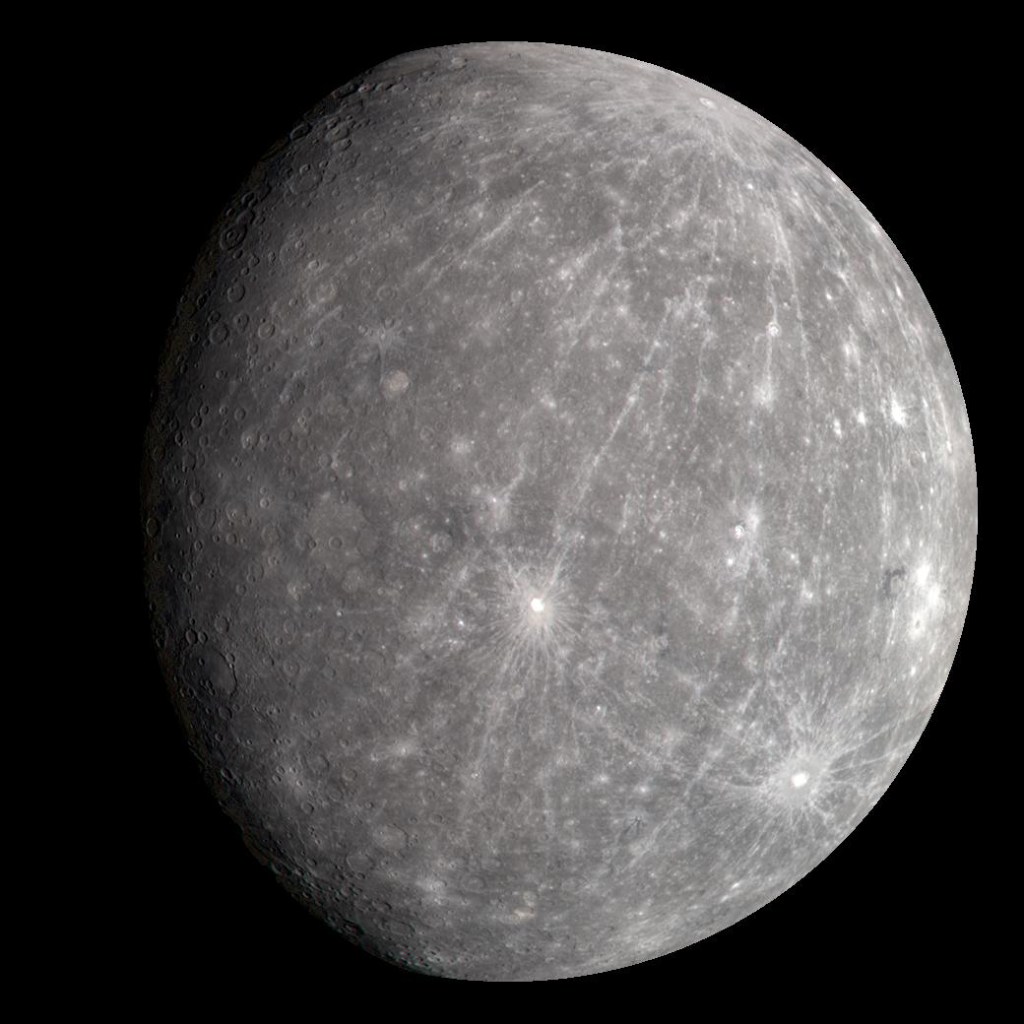
Mercury, the closest planet to the Sun, is usually associated with communication and the transmission of ideas, intellect and curiosity. Its link with the winged messenger god Hermes (and its relatively short orbital period) also earned it the quality of quickness. Mercury’s inward-facing qualities make it a natural fit for the beginning of the Cycle. Emergence and Mercury are both defined by the awakening of insight and awareness of Reality.
The adaptability attributed to Mercury reflects the mental flexibility one must hone during early spiritual and ethical growth as one challenges their preexisting notions. When viewing the Cycle as a new beginning rather than the beginning, Mercury’s “action” of taking things apart and then putting them back together (a reexamination of potentially outdated ideas) is rather apt.
Growth: Earth
also Tonantzin, Pachamama, Prithvi, Hou Tu, and Gaia
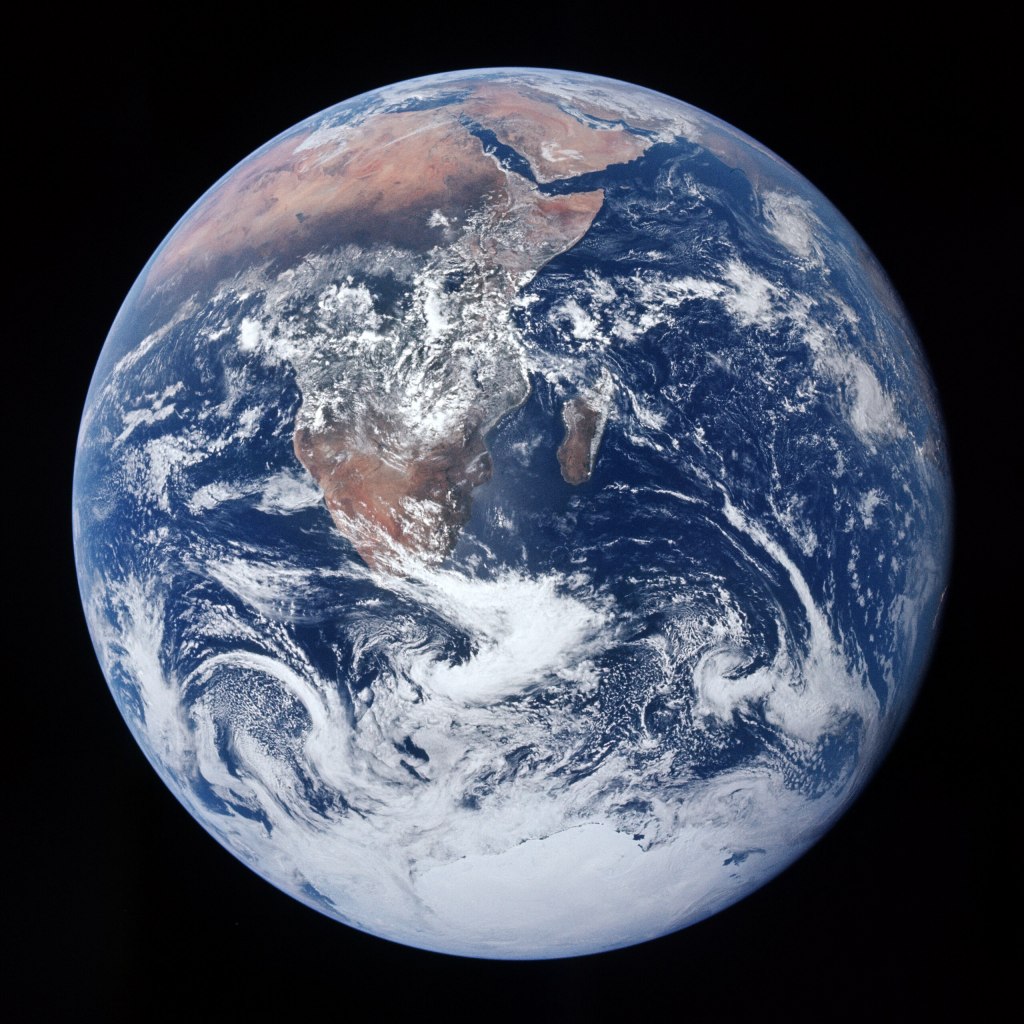
Earth, being the planet that humans reside on, is not traditionally included in astrology. That said, its mythological and cultural links with groundedness, stability, and nourishment links it quite clearly with the second phase of the Cycle, Growth.
In Growth, the ideas formed in Emergence transform into concrete and more practical action. This is reflected in the Areteioi archetypes as well; in Emergence, we see thinkers and teachers while in Growth, we see hands-on leaders like social workers, engineers, and environmental stewards. Earth’s themes of physicality and presence (we obviously perceive it in a way that we can’t perceive the other planets) reinforces Growth’s focus on ethical practice and responsibility.
Radiance: Jupiter
also Jove, Zeus, Marduk, Þaŕaznot, Brihaspati, and Amun
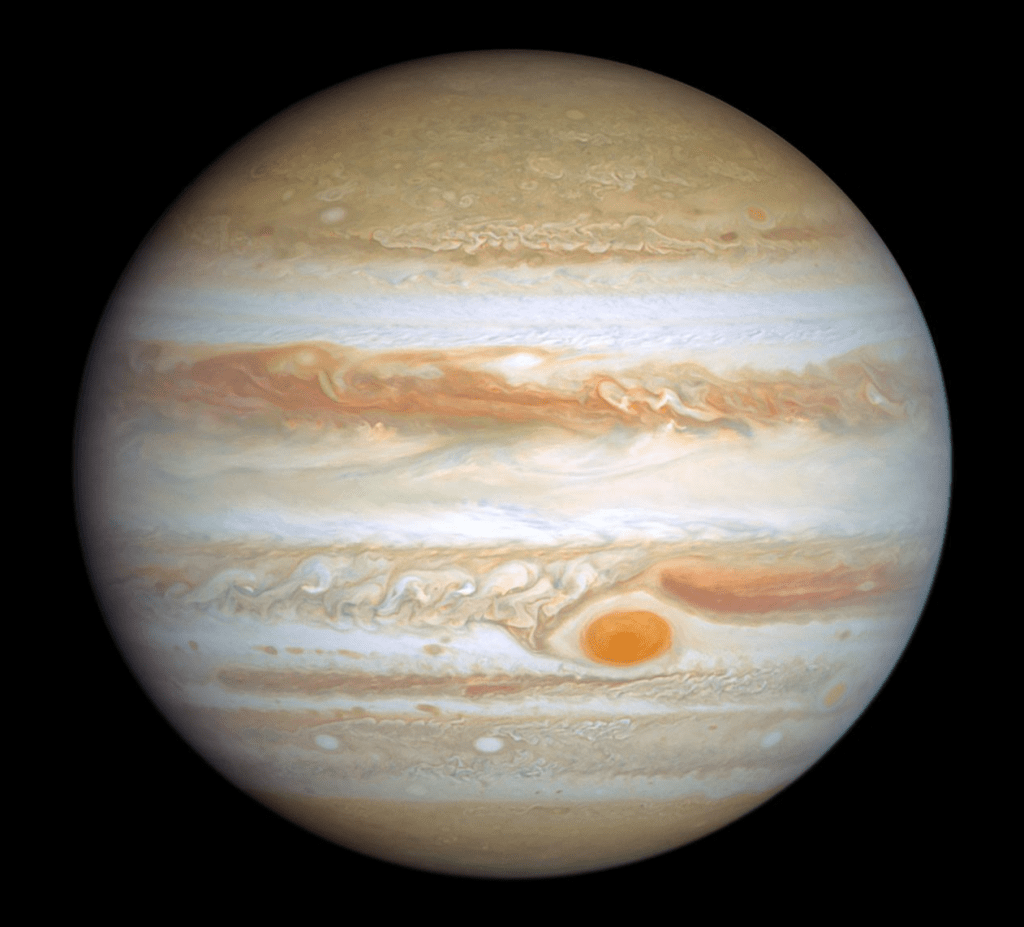
Jupiter’s stature as the largest planet in the universe meant it naturally came to be associated with order, authority, justice, and the like. In adherence to the Middle Way, Jiaya realizes that such things must be tempered by compassion, hence Radiance’s association with rulers who promoted equality and institutional reformers.
As such, within a Jiayan framework, Jupiter represents empathetic leadership and wisdom used not to demean but to lift others up. The strength and confidence of Jupiter symbolizes the living example of Ji that one should aspire to be; a paragon of virtue, a seeker of restorative justice, and one who cares for the welfare of others before their own.
Yielding: Saturn
also Cronus, Helios, Kajamanu, Artakhuyr, Shani, and Geb
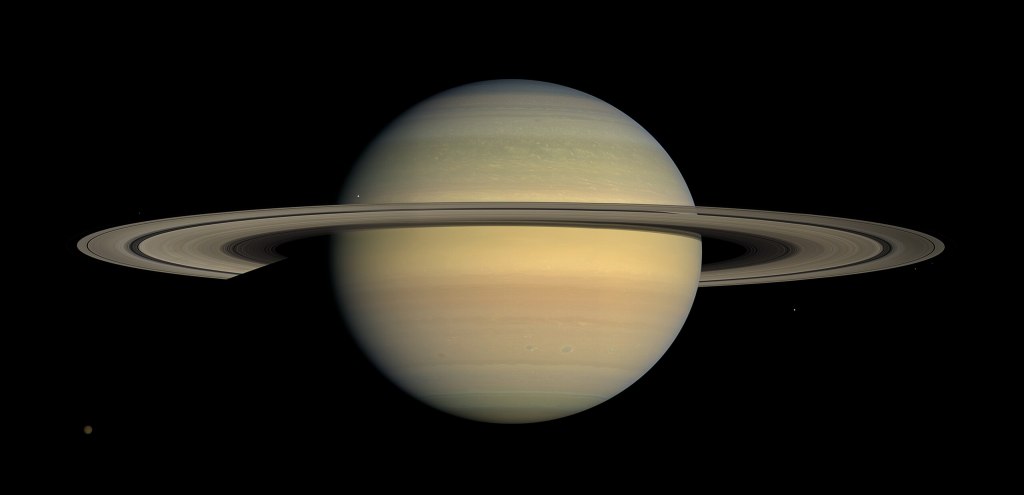
Following the great flourishing brought by Jupiter, the phase of Saturn is accompanied by the temperance and humility that comes with the progression of time. Saturn’s association with discipline, limits, reflection, responsibility, and the wisdom that comes from experience are strongly aligned with the Yielding phase, which focuses on refinement of practice and the deepening of insight.
It’s only natural that Saturn follow Jupiter so as to balance it out. After such growth and confidence, Saturn comes along to bring humility, distillation, and acceptance. It’s a time to leave center stage, recognize impermanence, and turn towards self-cultivation. Where Jupiter is focused on the present moment, Saturn seeks a long-term perspective. Neither approach is superior; both are equally important and have their place.
Descent: Mars
also Ares, Nergal, Ćkravori, Mangala, and Anhur
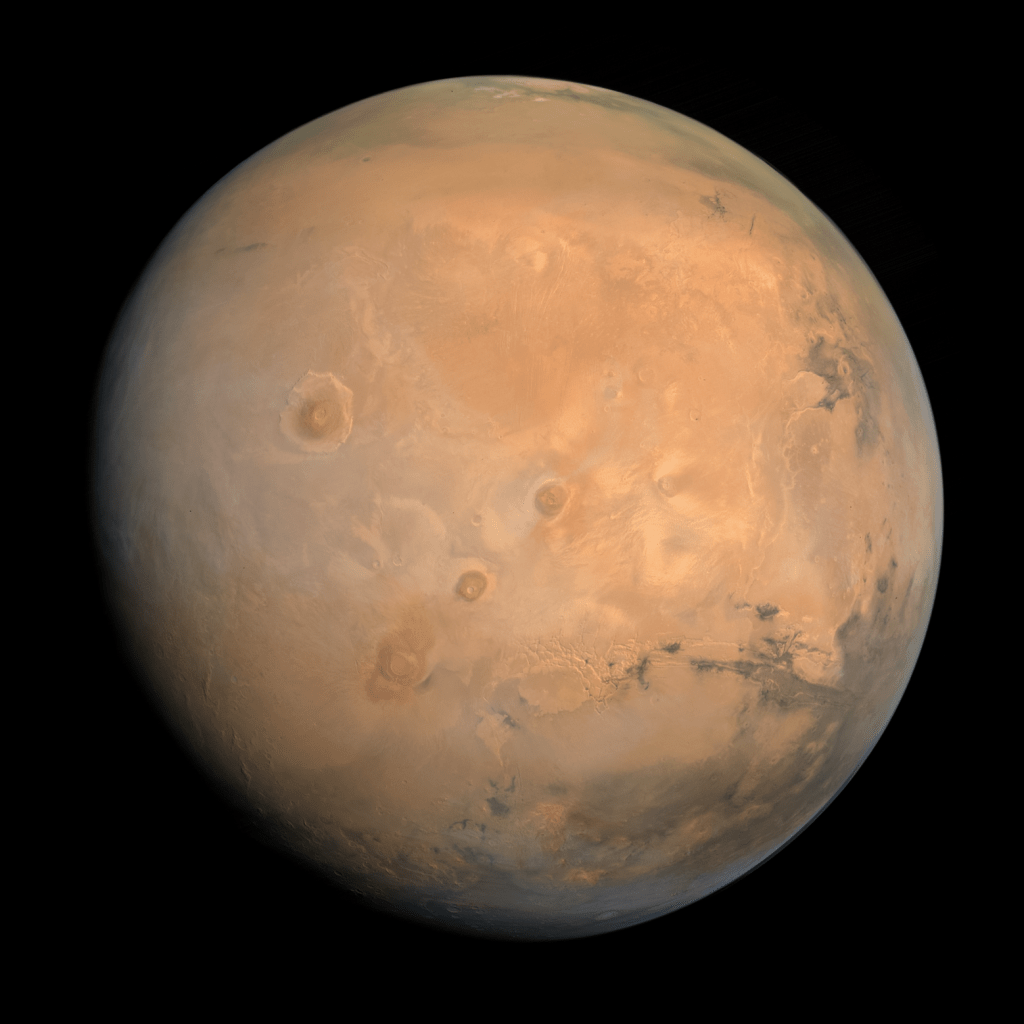
Mars’s traditional symbolism is flipped on its head within the Cycle of Transience. While it is indeed still associated with conflict to a point, it instead becomes righteous struggle rather than an equation of bloodlust with virtue. Its affiliation with courage, willpower, and strength align with the struggle angle — that is, Descent’s connection with sacrifice and adversity — but some of its other aspects such as ambition and impulsiveness do not.
Mars’s more disruptive elements are represented through Descent’s other interpretation. Rather than the winding down of life in the seasonal view or the willful endurance of suffering in the Areteioi view, the warlike attributes of Mars can reflect a civilizational view; a Descent as a society strives to regain an idealized lost glory through violence and coercion.
Stillness: Uranus

The Cycle’s transition from decay in autumn to death in winter is elegantly portrayed through Uranus. Its association with radical change and unconventional thinking represents a disruption of old patterns which can trigger sparks of insight and realizations hidden among the stimulation of earlier phases.
The Stillness phase is linked with quietude and isolation, a withdrawing from transient, conventional, unimportant things. In line with its astrological association with individuality, originality, and “radicals,” Uranus shares its phase with recluse-like Areteioi archetypes, seeking the truth outside of society, but nevertheless determined to do good. The turbulence of Mars has brought new ways of thinking to the forefront but for now, they still remain on the outskirts of the mind.
Return: Venus
also Aphrodite, Inanna, Yełjeru, Shukra, Isis, and Hathor
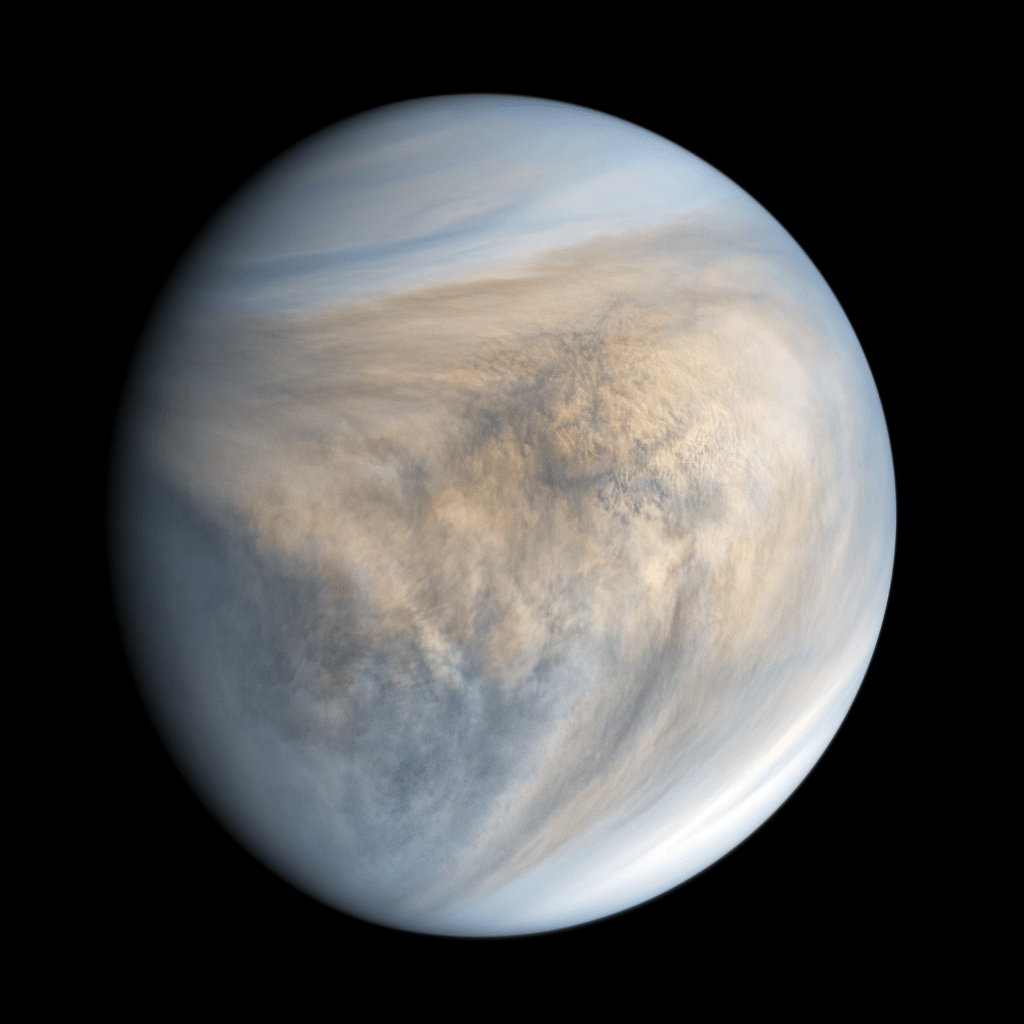
After the solitary depth of Stillness, Venus, through its representation with the phase of Return, re-aligns one with the wider world. Associated with healing, harmony, and reconciliation, Venus is the most natural fit for the period in which things begin to come back into balance as the isolation brought by strife gives way to openness and a further recognition of interconnectedness.
Furthermore, Venus’s attributes of beauty, affection, and creativity link it strongly with the phase’s Areteioi archetypes, who are predominantly made up of artists whose work had lasting effects on the human moral landscape and people who worked to bring disparate groups together. Through Venusian grace, restoration is achieved.
Renewal: Neptune
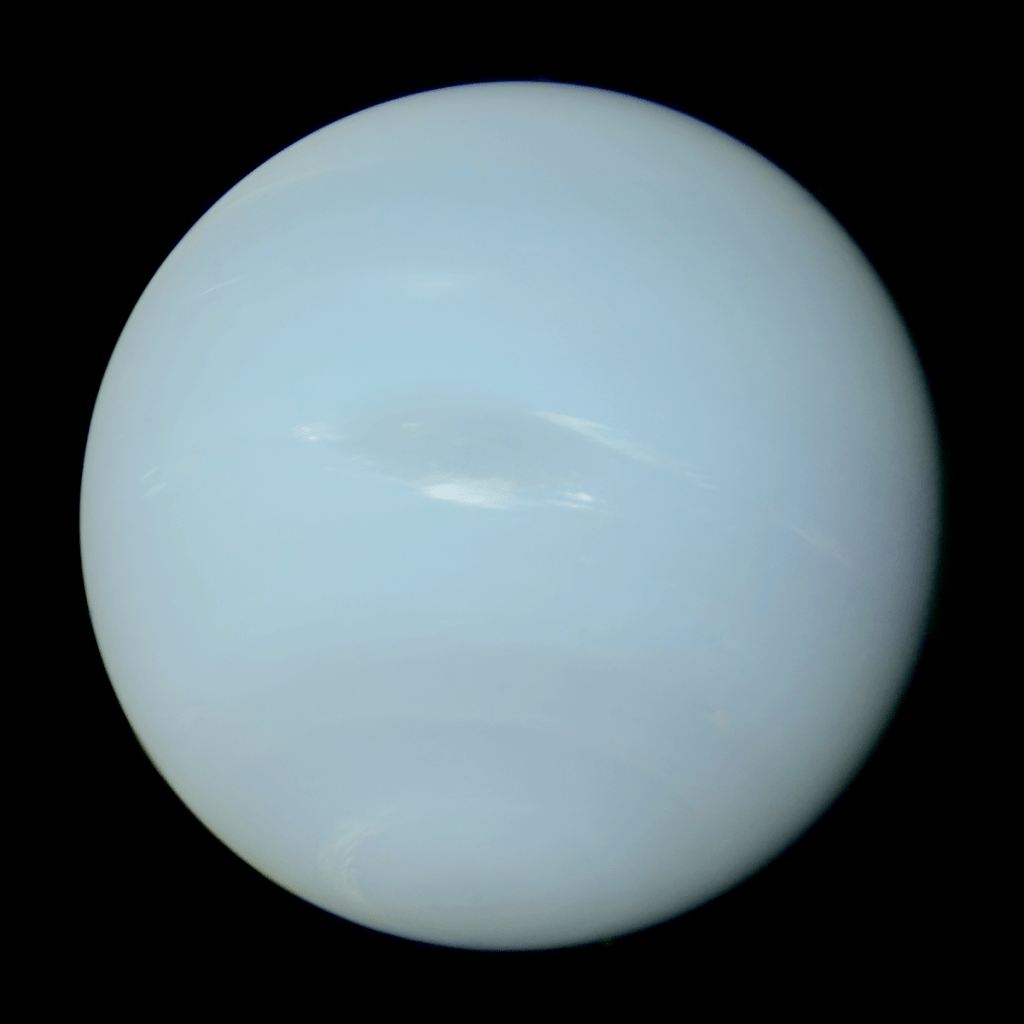
Drawing from the cosmic ocean and its mythic association with the unknown, the infinite, and pure potentiality, Neptune is the most spiritually rich of the planets, making it fitting that it come last, as the final chapter in one Cycle before the beginning of the next.
That which Neptune is associated with is highly resonant with the Jiayan teaching of apokatastasis. Neptune symbolizes transcendence, dreams, boundlessness, and the dissolution of rigid identity: the final, complete acceptance of anattā and unification with the Whole. The self is washed away through rebirth. What happens afterwards is something we will never know for certain. Yet the universe continues on and the influence of our existence is felt eternally through prehension.
 Jiaya
Jiaya 
Leave a comment